
arrma vorteks manual
Need the Arrma Vorteks manual? Find easy-to-download PDFs & helpful resources to fix, tune, and *master* your RC car. Don’t let a lost manual stop the fun! ⚙
The Arrma Vorteks is a fantastic entry point into the RC world, offering a blend of speed, durability, and relatively simple maintenance – as detailed in various instructions.
What is the Arrma Vorteks?
The Arrma Vorteks represents a ready-to-run (RTR) 1/10 scale stadium truck, designed to deliver exhilarating performance right out of the box. It’s built upon Arrma’s robust platform, known for its durability and ability to withstand aggressive driving. Often highlighted in manuals and online guides, the Vorteks aims to provide an accessible and enjoyable RC experience.

This model is frequently recommended as a great introduction to RC aircraft, with comprehensive instructions included for beginners. It boasts a powerful electric motor and a waterproof design, allowing for fun in various conditions. The Vorteks is a popular choice for both newcomers and experienced RC enthusiasts seeking a reliable and capable truck.
Target Audience & Skill Level
The Arrma Vorteks is primarily targeted towards beginner to intermediate RC enthusiasts. Its RTR nature and relatively straightforward instructions make it ideal for those new to the hobby, offering a less daunting entry point than kit-based models. However, its robust construction and performance capabilities also appeal to more experienced drivers.
The included manuals often emphasize basic operation and maintenance, catering to newcomers. While upgrades are available for seasoned hobbyists, the stock configuration provides ample fun and learning opportunities. A basic understanding of RC terminology is helpful, but not strictly required to enjoy the Vorteks.
Key Features and Specifications
The Arrma Vorteks boasts a durable composite chassis and a powerful electric motor, detailed within its manual. Key specs include a 1/10 scale, 2WD drivetrain, and oil-filled shocks for enhanced handling. The included transmitter offers 2.4GHz interference-free operation.
Instructions highlight features like the waterproof electronics, allowing for all-weather fun. It typically arrives RTR (Ready-To-Run), needing only batteries for operation. The Vorteks’ design prioritizes ease of maintenance, with readily accessible components as outlined in the provided documentation.

Unboxing and Initial Inspection
Carefully unpack the Arrma Vorteks, referencing the manual’s parts list. Inspect all components for shipping damage before initial assembly, ensuring everything is present.
Package Contents Checklist
Before beginning assembly, verify all listed parts are included within the Arrma Vorteks box. The manual details a comprehensive checklist: the chassis, body shell, wheels & tires, transmitter, and receiver. Confirm the motor, ESC (Electronic Speed Controller), and steering servo are present.
Also check for the battery connector, charger, and all necessary hardware like screws, nuts, and washers. Inspect the instruction manual itself for completeness. Missing parts should be reported to the retailer immediately to avoid assembly delays and ensure a smooth building experience. A thorough check prevents frustration later!
Identifying Parts and Components
The Arrma Vorteks manual provides detailed diagrams illustrating each component. Familiarize yourself with the chassis plates – typically molded plastic – and the suspension arms. Recognize the motor and ESC, noting their wiring connectors. Identify the steering servo and its linkage to the wheels.
Understand the function of the shock absorbers and their mounting points. The body shell and its posts require careful attention. Knowing each part’s name and location, as shown in the instructions, will greatly simplify the assembly process and future maintenance tasks.
Checking for Damage During Shipping
Upon receiving your Arrma Vorteks, carefully inspect the box for any signs of external damage. Open it cautiously and cross-reference the contents with the package contents checklist in the manual. Look for cracks in the chassis, bent suspension arms, or a damaged body shell.
Examine the electronics – motor, ESC, and servo – for loose wires or broken connectors. Report any shipping damage immediately to the retailer and Arrma support, documenting everything with photos as per the instructions.
Assembly Instructions
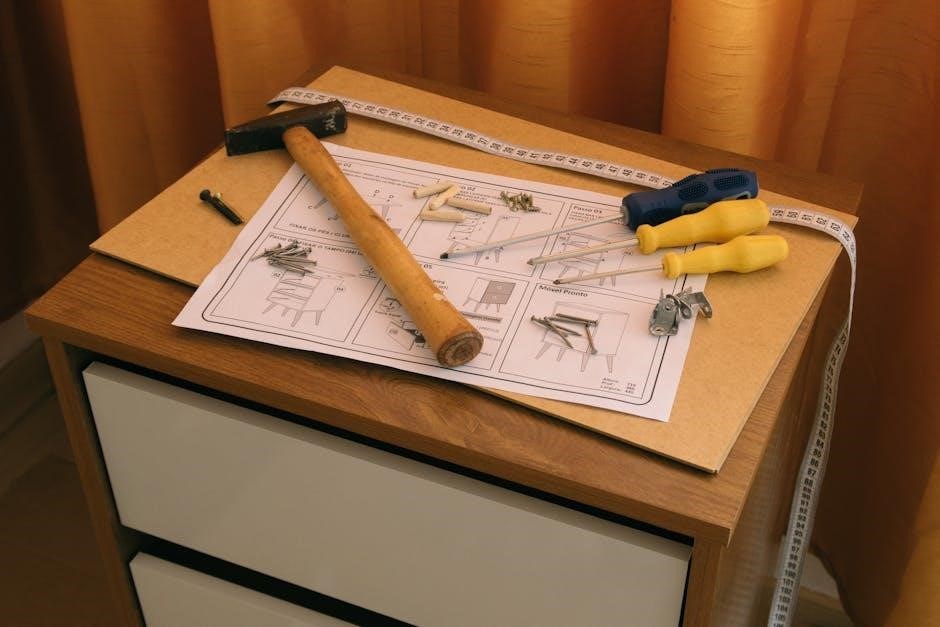
Carefully follow the detailed, step-by-step instructions provided in the Arrma Vorteks manual to ensure correct assembly and optimal performance of your RC vehicle.
Chassis Assembly
Begin with the chassis plate, carefully attaching the front and rear bulkheads according to the manual’s diagrams. Ensure proper alignment and secure all screws – do not overtighten! Next, install the wheel axles and hubs, verifying smooth rotation. Pay close attention to the suspension arm mounting points, referencing the instructions for correct orientation;
The skid plates should be affixed to the chassis underside for protection. Double-check all fasteners after initial assembly, as a solid chassis foundation is crucial for handling and durability. Refer to exploded views within the manual for clarity during this process.
Installing the Motor and ESC
Securely mount the motor to the motor mount using the provided screws, ensuring proper mesh with the pinion gear – the manual details this crucial step. Connect the motor wires to the Electronic Speed Controller (ESC), observing correct polarity. Mount the ESC within the chassis, utilizing double-sided tape or the designated ESC plate.
Connect the ESC to the receiver, following the wiring diagram in the instructions. Verify all connections are firm and insulated to prevent shorts. Proper motor and ESC installation is vital for optimal performance and longevity, as outlined in the manual.
Steering Servo Installation
Begin by mounting the steering servo securely into the designated servo mount within the chassis, utilizing the provided screws. Connect the servo horn to the steering linkage, ensuring free movement without binding – the manual illustrates this clearly. Connect the servo wire to the receiver, paying attention to the correct channel assignment.
Double-check the linkage geometry as described in the instructions, ensuring proper steering throw and responsiveness. A correctly installed servo is crucial for precise control, and the manual provides detailed guidance for optimal setup.

Transmitter and Receiver Setup
Proper setup, guided by the manual, involves installing batteries in the transmitter and binding the receiver for reliable communication with your Arrma Vorteks vehicle.
Battery Installation in Transmitter
Before operation, carefully install batteries into your transmitter, typically requiring AA-sized cells. Consult the Arrma Vorteks manual for the correct quantity and polarity – usually indicated within the battery compartment itself. Ensure a secure fit for consistent power. Incorrect installation can prevent operation or damage the transmitter. Always use fresh or fully charged batteries for optimal range and control. Double-check the battery compartment cover is securely fastened after installation to prevent accidental dislodgement during use, maintaining reliable connection.
Binding the Receiver to the Transmitter
Binding establishes communication between your transmitter and the Vorteks’ receiver. Refer to the Arrma Vorteks manual for the specific binding procedure, as it varies by radio system. Typically, this involves powering on the transmitter in binding mode, then the receiver. A successful bind is usually indicated by a solid LED light on the receiver. Ensure no other transmitters are nearby during binding to avoid interference. Re-binding may be necessary if signal loss occurs or after component replacement, guaranteeing reliable control.
Configuring Transmitter Settings
Proper transmitter configuration is crucial for optimal Vorteks performance. The Arrma Vorteks manual details adjusting settings like steering dual rate, throttle endpoints, and exponential curves. These adjustments personalize control sensitivity. Explore trim settings to correct minor steering deviations. Familiarize yourself with adjustable parameters to fine-tune handling to your preference and driving style; Incorrect settings can hinder control; therefore, careful calibration, guided by the manual, is highly recommended for a tailored driving experience.
Battery Charging and Maintenance
The Arrma Vorteks manual stresses using recommended battery types and adhering to safe charging procedures for longevity and optimal performance of your RC vehicle.
Recommended Battery Types
The Arrma Vorteks manual typically recommends utilizing Nickel-Metal Hydride (NiMH) or Lithium Polymer (LiPo) batteries for powering your RC vehicle. NiMH packs offer a safer, more affordable option, ideal for beginners, while LiPo batteries deliver superior power and runtime for experienced users.
Specifically, 7.2V NiMH packs with a capacity of 3000mAh or higher are commonly suggested. For LiPo users, 7.4V 2S packs ranging from 3500mAh to 5000mAh are frequently advised, ensuring compatibility with the vehicle’s Electronic Speed Controller (ESC). Always verify voltage and connector types before use, referencing the manual for precise specifications.
Safe Charging Procedures
The Arrma Vorteks manual stresses the importance of safe battery charging. Always charge batteries in a fire-resistant location, away from flammable materials, and never leave them unattended during the charging process. Utilize a LiPo-specific balance charger for LiPo batteries to prevent overcharging and potential hazards.
Ensure the charger settings match the battery’s specifications (voltage, capacity, and cell count). Regularly inspect batteries for swelling or damage before charging. Disconnect the battery immediately if you notice any abnormalities, and follow proper disposal guidelines as outlined in the manual.
Battery Storage Guidelines
The Arrma Vorteks manual details crucial battery storage procedures for longevity and safety. For short-term storage (a few days), discharge LiPo batteries to a storage voltage (around 3.8V per cell) to minimize degradation. Long-term storage requires a lower voltage and a cool, dry environment, away from direct sunlight.
Always use a LiPo safe bag during storage to contain potential fires. Regularly check battery voltage during extended storage and recharge if it drops too low. Never store fully charged or completely discharged batteries.
Basic Operation and Control
The Arrma Vorteks manual emphasizes understanding throttle and steering controls, alongside trim adjustments for precise handling, ensuring a smooth and enjoyable driving experience.
Powering On/Off the Vehicle
Before initial use, carefully review the Arrma Vorteks manual for specific power-up sequences. Typically, the vehicle’s power switch is located conveniently on the chassis. Ensure the transmitter is powered on first, with fully charged batteries installed, before activating the Vorteks.
To power on, simply flip the switch to the ‘ON’ position; you should observe indicator lights illuminating. When finished, reverse the process – switch off the vehicle before the transmitter to prevent unexpected behavior. Always disconnect the battery after use for safety and to prolong battery life, as detailed in the comprehensive instructions.
Steering and Throttle Control
Understanding the controls is crucial for enjoying your Arrma Vorteks. The transmitter’s steering channel typically utilizes a left/right stick or wheel, dictating the vehicle’s direction. Throttle control, usually managed by a trigger, governs speed – pulling it activates forward motion, while pushing it initiates braking or reverse.
Refer to the manual for precise control mappings. Practice gentle inputs initially to familiarize yourself with the responsiveness. Smooth, deliberate movements yield optimal control, preventing abrupt turns or acceleration, as outlined in the detailed instructions.
Understanding Trim and Dual Rate Settings
Trim settings on your transmitter fine-tune steering and throttle, compensating for slight imperfections or preferences. These adjustments ensure straight-line tracking and neutral throttle when no input is given. Dual Rate settings modify the maximum steering and throttle response.
Lowering the dual rate provides milder control, ideal for beginners or slippery surfaces, as detailed in the Arrma Vorteks manual and instructions. Increasing it delivers more aggressive response for experienced drivers. Experiment cautiously to find settings that suit your driving style and terrain.

Maintenance and Upgrades
Regular cleaning and lubrication, alongside replacing worn parts, are crucial for longevity, as outlined in the Arrma Vorteks manual. Alloy parts offer enhanced durability.
Cleaning and Lubrication
Consistent cleaning is paramount for maintaining peak performance of your Arrma Vorteks, as detailed within the comprehensive manual. After each run, thoroughly remove dirt, debris, and moisture from all components. Pay close attention to the chassis, suspension arms, and drivetrain.
Lubrication is equally vital. Apply silicone-based grease to shock shafts, bearings, and differentials to reduce friction and wear. Avoid using oil-based lubricants, as they attract dirt. Inspect and clean the motor regularly, ensuring proper ventilation. Following these steps, as described in the instructions, will significantly extend the life of your vehicle.
Replacing Worn Parts
Regular inspection, guided by your Arrma Vorteks manual, is crucial for identifying worn components. Common parts needing replacement include suspension arms, drive shafts, and shock absorbers, especially after demanding runs. The manual details specific part numbers and exploded views for easy identification.
Prioritize quality replacements to maintain performance and durability. Alloy upgrade parts, like lower suspension arms, are popular choices for increased strength. Always ensure proper alignment and secure fastening when installing new parts, referencing the instructions for torque specifications.
Popular Upgrade Options (Alloy Parts, etc.)
Enhance your Vorteks with readily available upgrades! Alloy parts, detailed in online forums and sometimes referenced in the manual, significantly boost durability. Popular choices include alloy front lower suspension arms and steering knuckles, resisting bending during impacts.
Consider a metal gear set for the differential, improving longevity over plastic gears. High-torque servos offer quicker steering response. Always check compatibility and follow instructions carefully during installation. Upgrading doesn’t always require extensive knowledge, but careful attention to detail is key.

Troubleshooting Common Issues
Refer to the Arrma Vorteks manual for diagnosing problems like power failures, steering malfunctions, or motor issues; detailed instructions are provided.
No Power/Vehicle Doesn’t Turn On
If your Arrma Vorteks fails to power on, consult the manual’s troubleshooting section first. Verify the battery is fully charged and correctly connected to the ESC. Check the power switch on both the transmitter and the vehicle itself, ensuring they are in the ‘on’ position. Inspect all wiring connections for looseness or damage, paying close attention to the battery connector and ESC input. The manual’s instructions emphasize checking the ESC’s safety cut-off feature, which may activate if the battery voltage is too low. Finally, confirm the receiver is properly bound to the transmitter, as a lost signal prevents operation.
Steering Problems
If experiencing steering issues with your Arrma Vorteks, the manual suggests checking servo functionality. Ensure the steering servo is securely mounted and properly connected to the steering linkage. Verify the servo saver is adjusted correctly, allowing for flexibility while preventing excessive play; Refer to the instructions for proper linkage geometry; incorrect setup can limit steering range. Examine the steering knuckles and hubs for binding or damage. Finally, confirm the transmitter’s steering trim and dual-rate settings are appropriately configured, as these can significantly impact steering response.
Motor Issues
Should your Arrma Vorteks’ motor malfunction, the manual directs users to first inspect wiring connections to the ESC. Confirm secure connections and check for any damaged wires. Next, verify the motor’s pinion gear isn’t excessively tight, causing binding. Following the instructions, check for debris obstructing the motor’s rotation. If overheating occurs, allow the motor to cool before further inspection. A failing ESC could also be the culprit; testing with a known-good ESC is recommended.