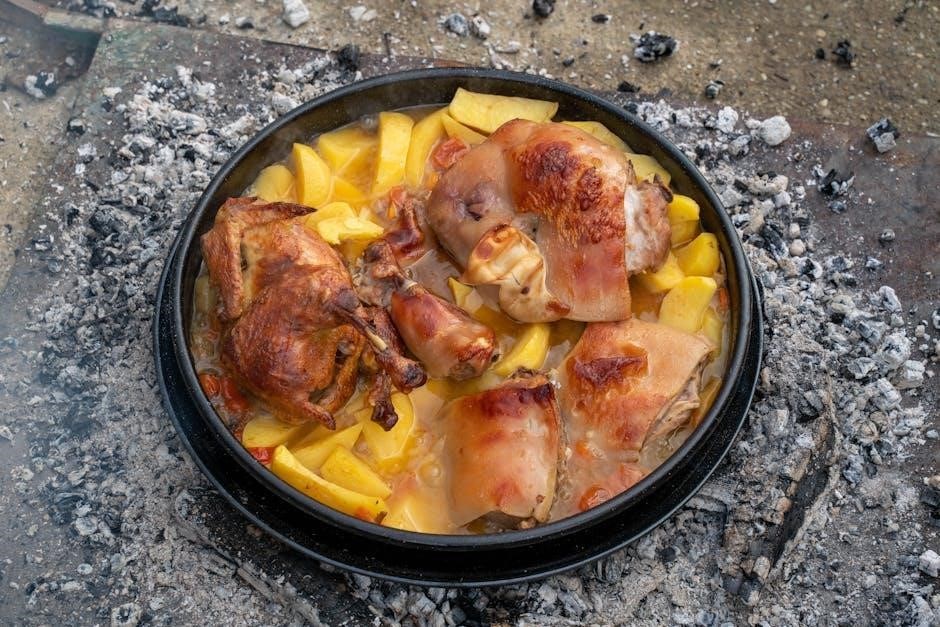
the original slow cooker crock pot manual
Unlock delicious, home-cooked meals with ease! Our Canadian slow cooker resource has manuals, tips & recipes for your Crock-Pot. Master **slow cooker** magic today!
Early models, boasting OFF/LOW/HIGH/WARM settings, offer a simple, affordable cooking experience․ These manual devices prioritize straightforward operation for all users․
Historical Context of Crock-Pot
The Crock-Pot’s origins trace back to a 1940s invention by Irving N․ Naxon, initially called the “Naxon Beanery․” He sought a solution for busy families, particularly his own, to enjoy slow-cooked meals without constant supervision․ This early version wasn’t the familiar portable appliance; it was a stoneware crock that sat atop a heating element․
The design evolved in the 1970s, becoming the countertop appliance we recognize today․ Its popularity surged as lifestyles changed, with more women entering the workforce and seeking convenient cooking methods․ The simplicity of OFF/LOW/HIGH/WARM settings resonated with a generation valuing ease of use․ Despite advancements in kitchen technology, the original manual Crock-Pot remains a beloved staple, representing a nostalgic connection to home-cooked comfort․
The Simplicity of Manual Operation
Original Crock-Pots, devoid of digital displays or programmable timers, champion a refreshingly uncomplicated approach to cooking․ The core functionality revolves around four settings: OFF, LOW, HIGH, and WARM․ This minimalist design appeals to those who prefer direct control over the cooking process, eliminating the learning curve associated with complex appliances․
Users manually determine cook times based on recipes and experience, fostering a deeper understanding of how heat impacts food․ This hands-on method encourages experimentation and adaptation․ The absence of automation makes these models incredibly accessible, ideal for beginners or anyone seeking a no-frills, reliable cooking tool․
Understanding the Basic Components
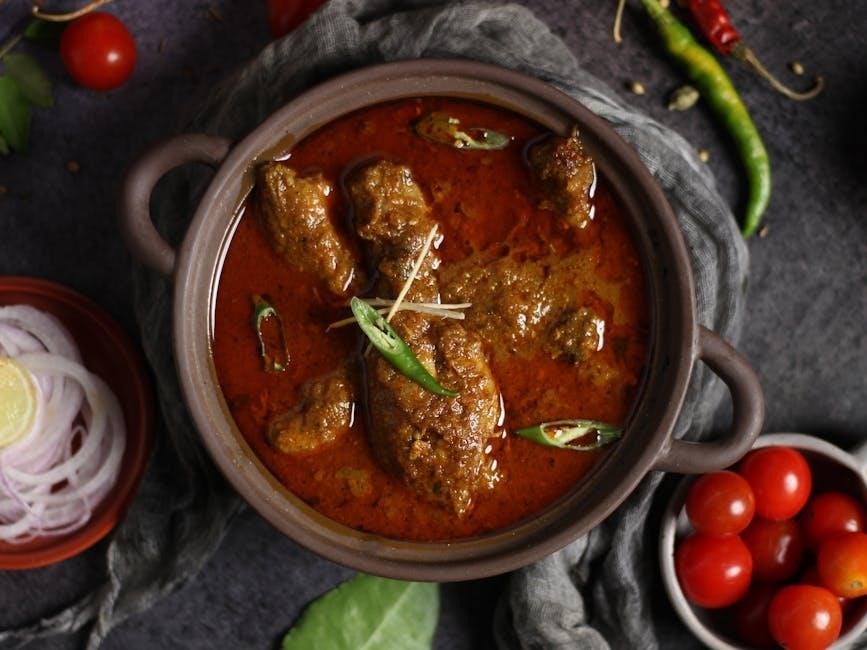
Essential parts include the ceramic crock, responsible for even heating, a heating element providing consistent warmth, and a crucial lid to retain moisture․
The Crock (Ceramic Insert)
The crock, typically made of stoneware or ceramic, is the heart of the slow cooker․ Its primary function is to evenly distribute heat, ensuring food cooks thoroughly from all sides․ This material choice is deliberate; ceramic retains heat exceptionally well, contributing to the slow, consistent cooking process that defines these appliances․
Unlike metal pots, ceramic minimizes hot spots, preventing burning or unevenly cooked meals․ The crock’s removable nature also simplifies both cooking preparation and the crucial cleaning process afterward․ It’s important to note that these crocks can be fragile, requiring careful handling to avoid cracks or chips․ Proper care extends the lifespan of this vital component, ensuring years of reliable slow cooking․
The Heating Element
The heating element, usually located beneath the crock, is responsible for generating the gentle, consistent heat crucial for slow cooking․ In original, manual Crock-Pots, this element is directly tied to the selected setting – OFF, LOW, HIGH, or WARM․ There’s no digital temperature control; heat output is determined solely by the chosen dial position․
This simplicity means understanding each setting’s approximate temperature range is key to successful cooking․ The element’s design prioritizes even heat distribution around the crock, avoiding scorching․ While robust, the element is a critical component; any malfunction necessitates careful inspection and potential replacement to maintain the cooker’s functionality․
The Lid and its Importance
The lid plays a vital role in the slow cooking process, trapping moisture and heat within the crock․ Original Crock-Pots typically feature a simple, stoneware or glass lid, designed to create a sealed environment․ This seal isn’t airtight, allowing for minimal steam release, which is essential for preventing pressure build-up․
Maintaining the lid’s integrity during cooking is crucial; lifting it frequently releases heat and extends cooking time․ A properly fitting lid ensures consistent temperatures and prevents food from drying out․ While seemingly basic, the lid is integral to achieving tender, flavorful results in these manual slow cookers․
Control Settings: A Detailed Breakdown
Original Crock-Pots feature OFF, LOW, HIGH, and WARM settings for manual temperature control․ These settings dictate cooking speed and food maintenance․
OFF Setting – Complete Power Down
The OFF setting on a manual Crock-Pot is precisely what it suggests – a complete cessation of power to the heating element․ This is your primary method for halting the cooking process entirely․ Unlike some modern slow cookers with “keep warm” functions activated even when seemingly off, the original, simpler models truly shut down․
Utilizing the OFF setting is crucial for safety, preventing continued cooking when food is ready or if you need to move the Crock-Pot․ It’s also essential when not in use for extended periods, minimizing any potential electrical concerns․ Remember, these older models lack the automatic shut-off features common today, making manual control paramount․
LOW Setting – Gentle Simmering
The LOW setting on your manual Crock-Pot is designed for extended, gentle simmering․ This is ideal for tougher cuts of meat, allowing them to become incredibly tender over several hours․ It’s the go-to setting for recipes requiring slow breakdown of ingredients and deep flavor development․
Expect cooking times on LOW to range from 6 to 8 hours, or even longer, depending on the recipe and quantity of food․ This setting maintains a relatively low temperature, preventing scorching and ensuring even cooking throughout․ It’s perfect for soups, stews, and braised dishes where a slow, consistent heat is key to achieving optimal results․
HIGH Setting – Faster Cooking
The HIGH setting accelerates the cooking process, delivering meals in a shorter timeframe․ While still utilizing slow cooking principles, HIGH provides more heat for quicker results․ This is beneficial when you’re short on time but still desire the convenience of a Crock-Pot․
Typically, recipes call for 3 to 4 hours on HIGH, though this can vary․ Be mindful that HIGH can sometimes lead to slightly drier results, especially with leaner meats․ It’s best suited for recipes that don’t require extremely tenderizing or benefit from prolonged simmering․ Monitor your dish towards the end of the cooking time to prevent overcooking․
WARM Setting – Maintaining Temperature
The WARM setting is designed to keep cooked food at a safe serving temperature without continuing to cook it․ It’s ideal for situations where meals are prepared in advance or when guests arrive at different times․ This setting utilizes minimal heat, preventing food from becoming overcooked or drying out․
However, it’s crucial to remember that WARM is not intended for prolonged holding – generally, no more than 2-3 hours is recommended for food safety․ It’s a convenient feature for maintaining temperature, but doesn’t replace proper refrigeration for longer storage․ Always ensure food reaches a safe internal temperature before switching to WARM․
Using Your Manual Crock-Pot: Step-by-Step
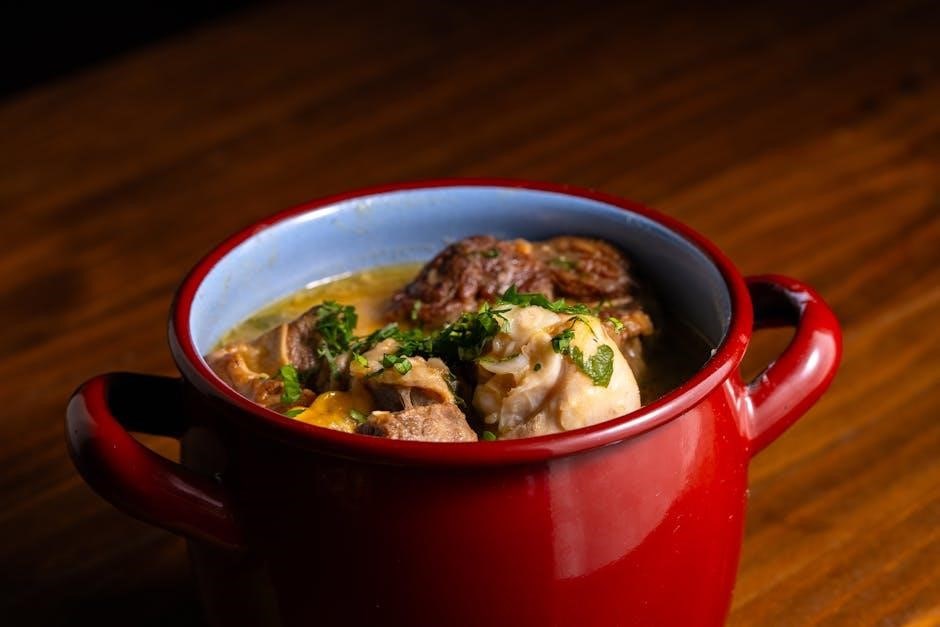
Preparation involves layering ingredients directly into the ceramic crock, then setting the desired cook time using the OFF/LOW/HIGH/WARM controls․
Preparing Ingredients
Before beginning, thoroughly wash and chop all vegetables to ensure even cooking within the crock-pot․ Meats should be trimmed of excess fat and cut into appropriately sized pieces, considering the desired final texture․ Remember, unlike some modern appliances, manual crock-pots don’t compensate for ingredient size as effectively․
Seasoning should be done generously, as flavors tend to mellow during the extended cooking process․ Consider marinating meats beforehand for enhanced tenderness and taste․ Avoid adding dairy products too early, as prolonged heat can cause separation or curdling․ Finally, ensure all ingredients are at room temperature for optimal heat distribution and consistent results․
Layering Food for Even Cooking
Strategic layering is crucial in manual crock-pots due to their consistent, but less adaptable, heat distribution․ Start with root vegetables like potatoes and carrots at the bottom, as they require longer cooking times․ Next, add meats, ensuring they aren’t directly against the heating element․
Place more delicate vegetables, such as broccoli or zucchini, towards the top to prevent overcooking․ Liquids – broth, sauce, or water – should cover at least two-thirds of the ingredients․ Avoid stirring during cooking, as it releases heat and moisture, potentially altering the final result․ Proper layering promotes even cooking and maximizes flavor infusion․
Setting the Cook Time
Manual crock-pots demand careful cook time estimation, as they lack programmable timers․ Begin by referencing recipes, but remember adjustments are often needed․ LOW settings typically require 6-8 hours, while HIGH settings cook in 3-4 hours․ Consider the quantity and type of food; larger cuts of meat need longer․
Check for doneness towards the end of the estimated time․ Undercooked food can be continued on LOW, while overcooked food cannot be reversed․ The WARM setting is for holding cooked food, not for continued cooking․ Experience will refine your timing skills with your specific crock-pot․
Recipe Scaling for Different Crock-Pot Sizes
Scaling recipes isn’t simple division; The Great American Slow Cooker Cookbook provides guidance for 2-3․5, 4-5․5, and 6-8 quart sizes․
2-3․5 Quart Crock-Pots
Smaller capacity crock-pots, ranging from 2 to 3․5 quarts, are ideal for single individuals or small families․ When adapting recipes, remember that direct scaling isn’t always effective due to the unique cooking environment of a slow cooker․ Bruce Weinstein and Mark Scarbrough’s cookbook acknowledges this, offering specifically adjusted measurements for this size range․
These smaller units cook food more quickly than larger ones, so reducing cook times may be necessary․ Consider halving recipes designed for larger crock-pots as a starting point, but always check for doneness․ They are perfect for dips, side dishes, or meals for two, offering convenience without excessive leftovers․ Careful recipe adjustment ensures optimal results․
4-5․5 Quart Crock-Pots
Mid-size crock-pots, spanning 4 to 5․5 quarts, represent a versatile choice for families of three to four․ “The Great American Slow Cooker Cookbook” provides scaled recipes specifically for this capacity, recognizing that simple division often yields unsatisfactory results in slow cooking․ These models strike a balance between batch cooking and manageable portion sizes․
When adapting recipes, a three-quarter scaling from a 6-8 quart recipe often works well․ Monitor cooking progress, as these units generally cook faster than larger ones․ They’re suitable for casseroles, soups, and roasts, offering flexibility for weeknight meals and small gatherings․ Accurate scaling, as demonstrated in the cookbook, is key․
6-8 Quart Crock-Pots
Larger crock-pots, ranging from 6 to 8 quarts, are ideal for families of five or more, or for batch cooking and meal prepping․ “The Great American Slow Cooker Cookbook” acknowledges the nuances of scaling recipes for these larger capacities, emphasizing that direct division isn’t always effective․ These units excel at cooking larger cuts of meat and substantial stews․
Recipes intended for smaller crock-pots often require a one-and-a-half to two times increase in ingredients․ Due to the increased volume, cooking times may be slightly longer․ These are perfect for potlucks, parties, or ensuring leftovers for several days․ Precise scaling, as detailed in the cookbook, ensures optimal results․
Safety Precautions
Always prioritize electrical safety and carefully handle hot surfaces․ Proper food handling is crucial to prevent illness when using your crock-pot․
Electrical Safety
Before operating your manual Crock-Pot, ensure the power cord is undamaged and free from any fraying or exposed wires․ Never immerse the appliance, cord, or plug in water or other liquids, as this presents a significant electrocution hazard․ Always plug the Crock-Pot directly into a grounded electrical outlet; avoid using extension cords whenever possible․
If an extension cord is absolutely necessary, it must be appropriately rated for the appliance’s wattage․ Unplug the Crock-Pot when not in use and before cleaning․ Do not operate the appliance if it has been dropped or damaged in any way․ Regularly inspect the cord and plug for any signs of wear and tear, and discontinue use if damage is detected․
Handling Hot Surfaces
Exercise extreme caution when handling your manual Crock-Pot, as both the ceramic insert and the exterior metal housing become very hot during operation․ Always use oven mitts or pot holders when touching these surfaces to prevent burns․ Avoid touching the lid while cooking, as steam can escape and cause scalding․
Allow the Crock-Pot to cool completely before cleaning or storing․ Never place hot ceramic insert directly onto cold surfaces, as this could cause it to crack or shatter․ Keep the appliance out of reach of children to prevent accidental burns․ Be mindful of the hot surfaces even after the unit is turned off, as residual heat remains for a considerable time․
Proper Food Handling
Ensure all ingredients are thoroughly cooked to a safe internal temperature when using your manual Crock-Pot․ Follow recommended food safety guidelines for meat, poultry, and seafood․ Avoid adding ingredients that have already been partially cooked, as prolonged slow cooking can compromise texture․
Refrigerate leftovers promptly after cooking and consume within a safe timeframe․ Do not leave food at room temperature for extended periods․ Practice proper hygiene by washing hands and utensils before and after handling raw ingredients․ Be cautious when handling hot food from the Crock-Pot to prevent spills and burns․
Troubleshooting Common Issues
If food isn’t cooking, verify the lid seals and the correct setting is chosen․ Overheating is rare, but ensure proper electrical safety precautions are followed․
Food Not Cooking Thoroughly
Several factors can contribute to food not cooking completely in a manual Crock-Pot․ First, confirm the lid is properly sealed; a loose lid allows steam to escape, reducing cooking temperature and efficiency; Second, double-check that the correct setting – LOW or HIGH – has been selected, and that sufficient cook time has been allocated for the recipe․
Remember, manual models require more attention to timing than programmable ones․ Ensure ingredients are layered correctly for even cooking, with denser items closer to the heating element․ Finally, verify the electrical outlet is functioning correctly, as a weak power supply can impact heating performance․ If issues persist, consider the age of the appliance․
Crock-Pot Overheating
Although rare with basic manual Crock-Pots, overheating can occur․ First, ensure the unit is placed on a heat-resistant surface with adequate ventilation․ Avoid placing it near flammable materials or under cabinets․ If overheating is suspected, immediately turn the unit OFF and unplug it from the electrical outlet․
Do not attempt to use the Crock-Pot until it has completely cooled down․ Inspect the heating element for any visible damage or obstructions․ A malfunctioning thermostat could also be the cause, though repair of these older models is often impractical․ Prioritize safety and consider replacement if overheating continues․
Lid Not Sealing Properly
A proper seal isn’t crucial for operation of original manual Crock-Pots, as they aren’t designed for pressure cooking․ However, a loose lid can lead to heat loss, extending cooking times and potentially drying out food․ Ensure the lid is simply resting securely on the crock, not forced or jammed․
Check for any chips or cracks on the lid or the crock rim that might prevent a snug fit․ Avoid using excessive force when placing the lid․ If the fit is consistently poor, it may indicate wear and tear, and replacement of the crock or lid might be necessary, though finding parts can be challenging․
Finding Replacement Parts & Manuals
Amazon provides a quick way to locate parts and assess popularity via “Best Sellers Rank” in the slow cooker category, aiding your search․
Amazon as a Resource for Best Sellers Rank
Navigating Amazon offers a surprisingly efficient method for gauging a slow cooker’s popularity and potentially finding replacement parts․ Begin by visiting www․amazon․com and searching for “slow cooker․” Once you’ve selected a product from the list, scroll down to the “Product Specifications” section․
Within this section, locate and click the link displaying the “Best Sellers Rank․” This action redirects you to a top 100 list of slow cookers, ranked based on sales volume and overall popularity․ While customer reviews remain crucial, this shortcut significantly narrows your options․
This method works seamlessly on the mobile app and should function similarly on the website; utilize your browser’s “Find” function if needed to locate the “Best Sellers Rank” quickly․
Locating Manuals Online
Finding a manual for a very simple, generic, OFF/LOW/HIGH/WARM crock-pot can prove challenging․ While retailers like Real Canadian Superstore may carry them, obtaining one isn’t always convenient․ Online resources become essential in these situations․
Dedicated appliance manual websites and online forums are excellent starting points․ Searching using keywords like “crock-pot manual,” “slow cooker instructions,” or the specific model number (if known) can yield results․
Remember that many original models are quite similar, so a manual for a comparable unit might suffice․ Be prepared to potentially sift through various options to find the closest match․
The Great American Slow Cooker Cookbook
Bruce Weinstein and Mark Scarbrough’s cookbook scales 500 recipes for 2-3․5, 4-5․5, and 6-8 quart crock-pots, acknowledging division isn’t always accurate․
Recipe Scaling in Cookbooks
Scaling recipes for slow cookers isn’t a simple mathematical conversion; direct division often yields unsatisfactory results․ The Great American Slow Cooker Cookbook addresses this challenge directly, providing scaled versions of each of its 500 recipes for three common crock-pot sizes: 2 to 3․5 quarts, 4 to 5․5 quarts, and 6 to 8 quarts․
This approach acknowledges the nuances of slow cooking, where factors like surface area and evaporation rates impact cooking times and ingredient proportions․ Authors Bruce Weinstein and Mark Scarbrough understand that a recipe designed for a larger capacity cooker won’t necessarily translate perfectly when halved or reduced, ensuring consistent and delicious outcomes regardless of the appliance used․
Bruce Weinstein & Mark Scarbrough’s Contribution
Bruce Weinstein and Mark Scarbrough have significantly impacted the world of slow cooking with The Great American Slow Cooker Cookbook․ Their work isn’t simply a collection of recipes; it’s a practical guide recognizing the complexities of adapting recipes for varying slow cooker sizes․ They meticulously scaled 500 recipes, understanding that straightforward division often fails to deliver optimal results in slow cooking․
Their contribution lies in acknowledging the unique dynamics of this cooking method, offering users reliable and consistently delicious outcomes․ This dedication to precision and understanding makes their cookbook a valuable resource for both novice and experienced slow cooker enthusiasts․